|

|
|
PLATE 1
|
PLATE 2
|
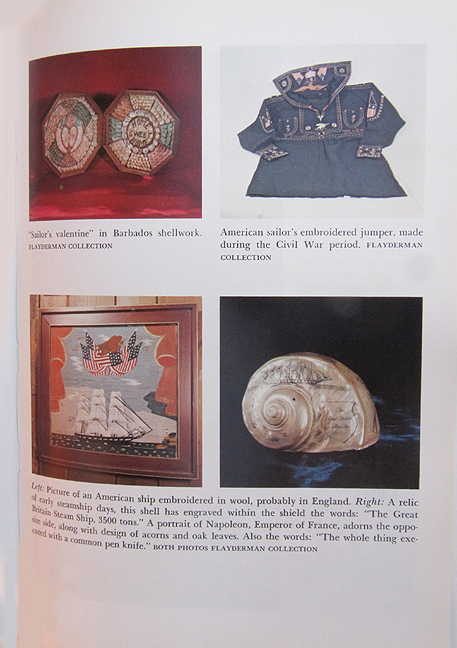
7.42 SAILOR’s VALENTINE
POSTCARDS. Lot of 5 Victorian postcards with “Valentine”
themes depicting sailors and their sweethearts in classic farewell
and return poses. These charming cards measure 3 ½ by 5
½ inches. Four of the five are printed in full
color. All are in excellent, unfranked condition, although each
bears a small adhesive label previously applied to identify their
acquisition in the collection.
20

|
|
DETAIL
|

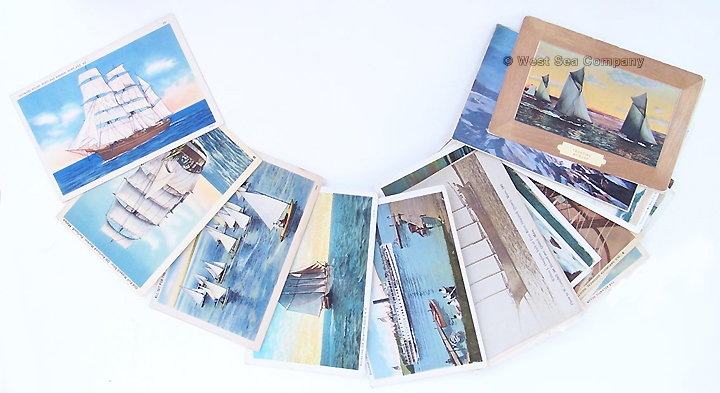
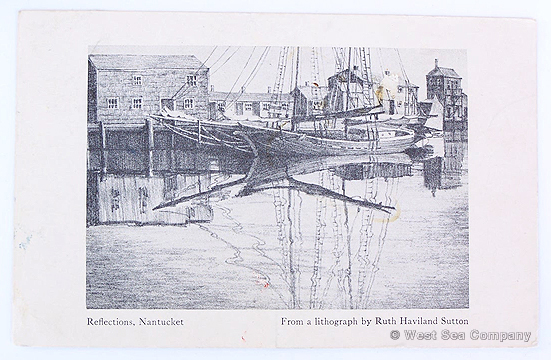
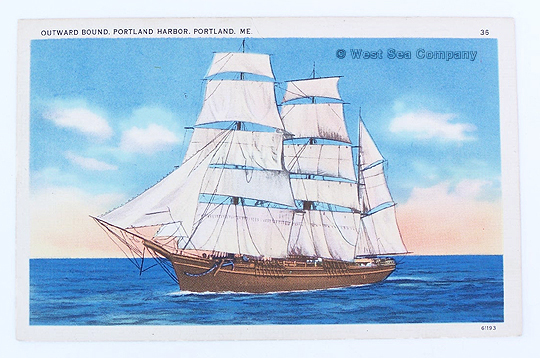
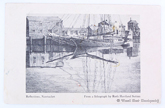
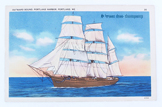
7.40 EARLY NAUTICAL POST CARDS. Lot
of 30 turn-of-the-last century postcards relating to ocean commerce
in and around New England. Of particular note are a lithograph
entitled “Reflections, Nantucket,” 6-masted schooner “William
L. Douglas,” the whaling bark “Lagoda,” Cape Cod
scenes, “Whalers at Pier, New Bedford,” and yachting
scenes. Most are in full color and unfranked, although some
bear early stamps and interesting penned messages. 3 ½ by
5 1/2 inches and in generally good condition.
60
|
|
|
|
DETAIL 1
|
DETAIL 2
|
7.38 FAMOUS P.O.W. ARTIFACTS CATALOG.
Raisonné of what was surely the most important and complete
private collection of Napoleonic War prisoner artifacts ever
assembled! This catalog was published by well-respected
nautical antiques dealer John Rinadli in September of 1986. It
comprises 116 pages cataloging 257 examples of the
finest folk art ever produced by human hands! It contains the
most exquisite examples of bone and boxwood ship models, game boxes
with cards and dominos, spinning jennies, straw work marquetry boxes,
straw work chests, snuff boxes, chess sets, watch towers, bodkins,
pipe tampers, game spinners or “teetotums,” tea caddies,
models of fortresses, sewing devices, guillotines, snuff boxes, bone
picks, miniature tools, picture frames, straw marquetry pictures and
even eating utensils! The diversity, ingenuity and precise
workmanship of the items contained herein are truly mind
boggling! This catalog represents an unprecedented reference on
the subject. New old stock.
14
Ewart C. Freeston author of “Prisoner of War Ship Models
1775-1825,” 1973, Conway Maritime Press, Ltd., London, is THE
definitive reference on P.O.W. works. He writes: It was in 1793
that France declared war on England – a war which lasted until
1815. As Britain dominated the conflict, French prisoners in
English prisons abounded. By 1796, the first prison especially
for prisoners of war was built at Norman Cross. Several others
followed. While the living conditions were horrid by modern
standards, there soon came to be a symbiotic relationship between the
incarcerated Frenchmen (many of whom were skilled craftsmen from the
province of Dieppe) and their English guards. The guards soon
realized that the skills of the men in their charge could work to the
advantage of both. They began supplying the prisoners with
tools, raw materials and a market in which to sell their wares.
So sophisticated was this cooperation, that amongst the materials the
guards obtained was genuine gold foil! The resultant output
speaks for itself.
Ultimately the collection was dispersed at auction by the Richard
W. Oliver of Kennebunk, Maine on August 7, 1888, as dictated by
economic realities.
|
7.37 TIME-LIFE BOOK SERIES. At the
peak of their publishing prowess in the late 70’s
Time, Incorporated, in cooperation with the editors of Life
Magazine, set out to produce a set of books about men, ships
and the sea, unrivaled in their research, quality of content
and beautiful illustrations. The result was the series
entitled The Seafarers.
Each book is authored by world renowned experts
in their field. From this series we are now proud to
offer 5 of those books at less than their
published price over 30 years ago! Each book is hard
bound in faux leather and is in excellent original
condition. 9 ½ by 11 ½ inches. Your
choice at this below market price. Shipping is by UPS,
which typically runs about $10. 19.95
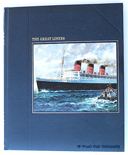
a. THE GREAT LINERS. Melvin Maddocks,
1978. The books starts out with several impressive
full color plates of famous ocean liner posters. It
goes on to fully document the infancy of the age of steam
and what it meant to ocean passenger liner service for the
next 130 years. Names like Titanic, Lusitania,
Normandie, Queen Mary, Leviathan, are but a few. A
super, SUPER book for the price!  (We also have one copy in fair condition for
9.95).
(We also have one copy in fair condition for
9.95).
b. THE DREADNOUGHTS. David Howarth,
1978. A complete and very detailed account of the rise
and fall of the mighty battleship in the world’s
Navies. The beginnings of the modern dreadnaught were
shortly after the Spanish-American War. Innovation and
fierce competition amongst the world’s maritime
nations led to the equivalent of a modern day “Arms
Race” culminating in incredibly huge armored vessels
with massive guns. The famed World War I Battle of
Jutland is well documented in words, photos, paintings and
illustrations.

c. FIGHTING SAIL. A.B.C. Whipple,
1978. This book meticulously tracks the development of
the ship of the line from its perfection in the mid-1700’s
to the famous Battle of Trafalgar in 1805. “Britannia
ruled the waves.” Much emphasis is given to the
Royal Navy and the reasons for its dominance.
Fascinating insights and glorious illustrations.
d. THE FRIGATES. Henry E. Gruppe, 1979.
Although the United States claimed sovereignty as a nation
in 1776, it did not field an organized navy for another 20
years. It was then that President George Washington
called upon Congress to authorize construction of 6 frigates
whose primary mission, at the time, was to suppress the
growing acts of piracy on American merchantmen in the
Mediterranean. Little did the fledgling American Navy
realize that it would be put to the test against the world’s
biggest Navy scarcely a decade later in the War of
1812! Well written in a most interesting narrative
form with profuse illustrations.
e. THE MEN-OF-WAR. David Howarth, 1978.
“Whosoever commands the sea commands trade; whosoever commands
the trade of the world commands the riches of the world and
consequently the world itself. Sir Walter Raleigh
early 1600’s.” The English had recently
defeated the Spanish Armada, but they continued to compete
for ocean trade with the Dutch, French, Portuguese and the
Americans. This book chronicles those times.
Richly illustrated with famous paintings, prints and
illustrations.
f. THE VIKINGS. Robert Wernick, 1979. "A conquering host
rising out of the sea mists." The first document savage
attck by the Vikings was on a monastary on an island near
Englan's Northumbria. The intruders frpm the sea had no
feverence for the Christian God, no scruples about
plundering a religious sanctuary and scant regard for human
life. The atrocity was unprededented in the memory of living
mand and ushered in 300 years of deredations by this
ruthless early pirates. This book tells those stores.
Beautifully illustrated with some incredible Middle Ages
artwork.
19.95

g. THE EXPLORERS. Richard Humble, 1978. With the
Rennaisance came a new curiousty about the world at large,
picqued by the experiences of the Crusaders in the exotic
lands to the East. Untold wealth was to be had there and the
prospect of finding new trade routes drove the early
eplorers in ever expanding circles to discover new lands.
First was the establishment of Eurpopean trade routes to
India. Next the Spanish sailed Westward while the Portuguese
headed East. The consquests of Columbus and Magellan make up
an integral part of this fascinating book. Richly
illustrated.

h. THE SPANISH MAIN. Peter Wood, 1979. In the 16th
century the Aztec Empire with its untold riches, was at its
Zenith. The newly discovered New World was a tempting target
for gold hungry Europeans. The first first vangaurd of
plunderers was led by Hernan Cortez in 1519. Within the next
3 years, the Spanish effectively destroyed the Aztec nation.
For the next 250 years the area off the coast of Central
America, south of Florida and north of Venezuela was beset
by ruthless pirates, the likes of Henry Morgan, seeking
treasure in the unbriddled frontier which becasme known as
the "Spanish Main." At the same time the slave trade in the
area abounded. This book documents in pictures and words
that most unsavory and bloody period in the history of the
new Western World.
|

|
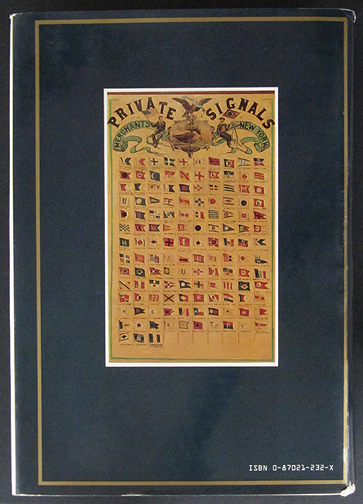
7.05 YACHT LOG BOOKS. Set of 3
original Captain's logbooks from the New York Yacht
Club Auxiliary Schooner Yacht MONIMIA, George Mc. K Brown,
Owner and J. G. Jenssen, Master. The logs begin with the yacht at
anchor at Larchmont Harbor and cover a period from June 1904 through
September 1907, ending with her anchored in Whitestown. These are
pre-printed log books, the oldest with marbled hard cover boards and
pigskin spine, measuring 13 ½ by 10 inches. The next was sold by
the famous New York chandlers "T.S. & J.D. Negus, Chronometer and
Nautical Instruments Makers, Adjusters of Compasses in Iron Ships and
Steamers, Binnacles, Compasses, Charts, Night Glasses, & c.
Chronometer Maker to the U.S. Navy, Navigation Warehouse. 140 Water
Street." as indicated on the title page. It measures 10 ½ by 13
inches, is hardbound and contains over 100 pages. Included within the
front cover is a receipt from Mssrs. Negus acknowledging receipt of
Monimia's Negus chronometer number 2035, presumably for servicing.
The third log book is "Compliments of the Mutual Life Insurance
Company of New York" as indicated on the front cover, showing a
colorful advertisement for the company with its Indian head logo on
the back cover, noting "Edward Doton, Special Agent, New London, Ct."
The back page contains "The New International Code of Signals"
depicting a colorful array of identified signal flags and pennants.
Included in the front cover of this log is a post card dated "Jersey
City, N.J. November 5, 1906 from C.W. Brooks to Geo. Kesson Brown,
Yacht "Monimia" West Mystic, Conn." advising the owner of a shipment
of needed supplies. All three books contain entries made by Captain
Jenssen in a very legible hand pertaining mainly to the yacht's
position, weather, ports visited, sightings, etc. The books are in
fair to good condition showing minor wear, some water marking and
soiling expected of such "working books" 100 years old. 3
antique ship’s logs for just over $100 each?
Yes!
395
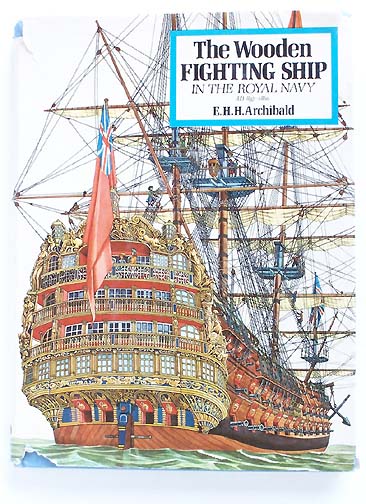
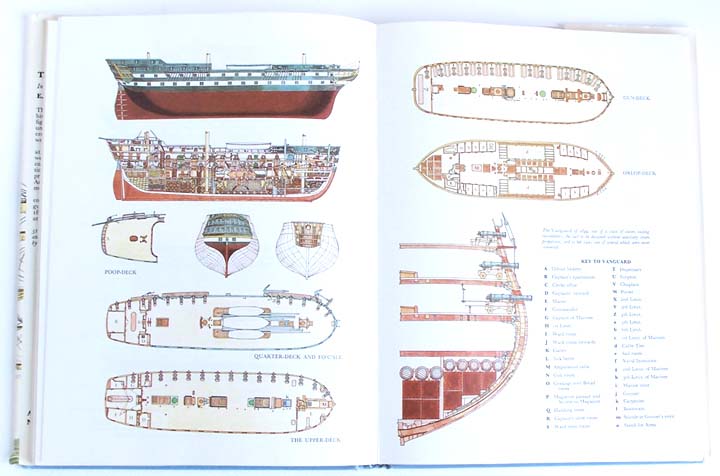
7.25 REFERENCE BOOK. H.H. Archibald,
"The Wooden Fighting Ship in the Royal Navy AD 897-1860," 1968 Arco
Publishing Co., New York. 169 pages, hard cloth cover with dust
jacket. This large format book contains a wealth of detailed
information on the development of ships in the English Navy from its
earliest beginnings. Written in a narrative style which is
accompanied by numerous color plates and black and white drawings,
this book is everything one could hope for on the topic. But if that
weren't enough the author has compiled 8 comprehensive
appendixes: 1. A summary of Naval events by year from 897-1860. 2.
British and Enemy Losses of ships over 50 guns from 1688-1855. 3.
Ships under the reign of English monarchs from 1517-1805 (including
crews, guns ship statistics, etc.) An amazing amount of information
here alone! 4. Some abstracts from the establishment of the Royal
Navy between 1814-1860. 5. Two facsimile reprints of tables in the
book "A Sea-Man's Grammar 1627." 6. Flags and Pennants of Command and
Distinction. 7. Types of shot and shell (with drawings). 8. Glossary
of Nautical Terms. This book is ex the collection of the Chief of
Staff of Anti-Submarine Warfare Group 3. It does contain some neatly
underlined paragraphs on a couple of pages. Otherwise it is in
outstanding, virtually mint condition. Only the dust jacket is
slightly torn at the top and bottom near the spine. 12 1/2 by 9 1/4
inches by 1 inch thick. A simply "great" book which would make a
wonderful gift! 69
7.68 NAVAL HISTORY BOOK WITH FAMOUS
ADMIRAL's PRESENTATION. Eloise Engle and Arnold Lott, "America's
Maritime Heritage," United States Naval Institute Press, Annapolis,
Maryland, 1975, 357 pages, hard back with dust jacket, black and
white illustrations and a center section containing 12 color plates.
This well written, factual, and concise book has it all. It begins in
chronological sequence with a section entitled "The Days of Growth,"
tracking major maritime events in two subsequent sections, "The Years
of Achievement" and "A Century of Progress." Within these are
chapters such as "Colonial America, The Revolutionary War, Perils of
Independence, Piracy and Slavery, Clippers to California, The Civil
War, The Navy and the Nation, and Global War." Also contained is
complete appendix listing Maritime Museums, Exhibits and Libraries.
Of particular note is the hand written inscription in the front of
this book reading "Best wishes to Rear Admiral Cecil Kempf on the
occasion of the Naval Institute's visit to San Diego" signed "J R
Holloway III, Admiral, US Navy (sic), 15 April 1976."
59
Cecil Kempf went on to become Vice Admiral
and retired in Coronado, California. James L. Holloway, III was a
four star Admiral and Chief of Naval Operations on the nation's Joint
Chiefs of Staff from July 1974 to June 1978, the time of this
presentation.
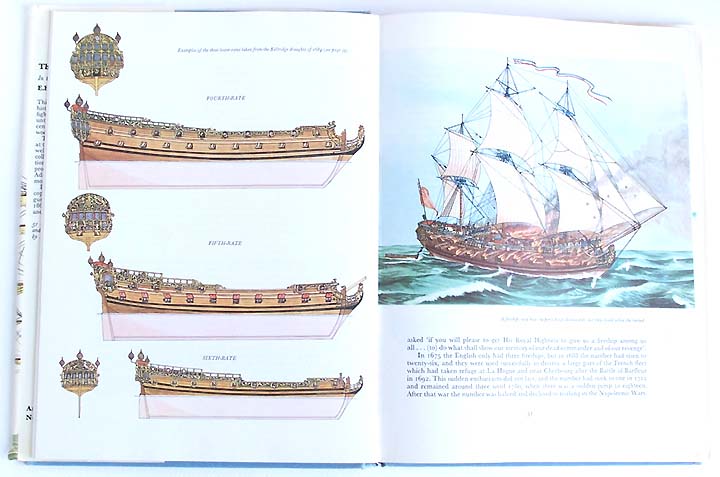
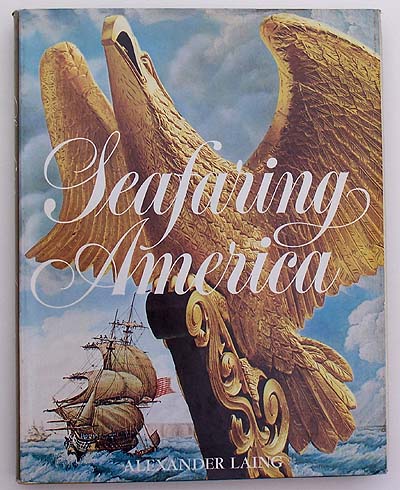
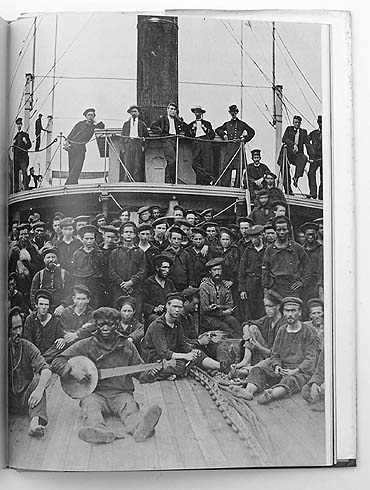
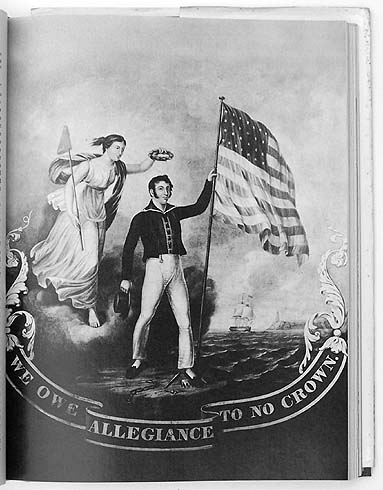
7.17 SAILING SHIP REFERENCE BOOK.
Alexander Laing, "Seafaring America," 1974, American Heritage
Publishing Co., New York. 344 pages, hard cloth cover with dust
jacket. This monumental reference, unlike many books documenting the
history of ships, deals only with the age of sail. Beautifully
illustrated in color and black and white the author narrates the
history of sail in America with the following chapters: The Colonial
Seafarer, The Revolution at Sea, World Traders, The Age of Combat
Sail, The Whaling Enterprises, The Years of Primacy, The Clipper
Ships, and The Persistence of Sail. Although not titled, the topics
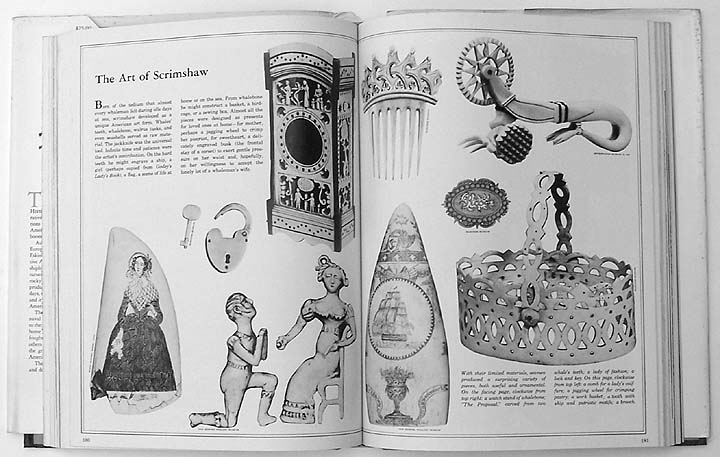
of the slave trade, exploration, passenger service, scrimshaw, and
yachting are all covered as well! Exceptionally well written in a
factual yet pleasing narrative style. Certainly one of the best books
ever written on the topic which sold for $25 in 1974. Excellent
condition. 59
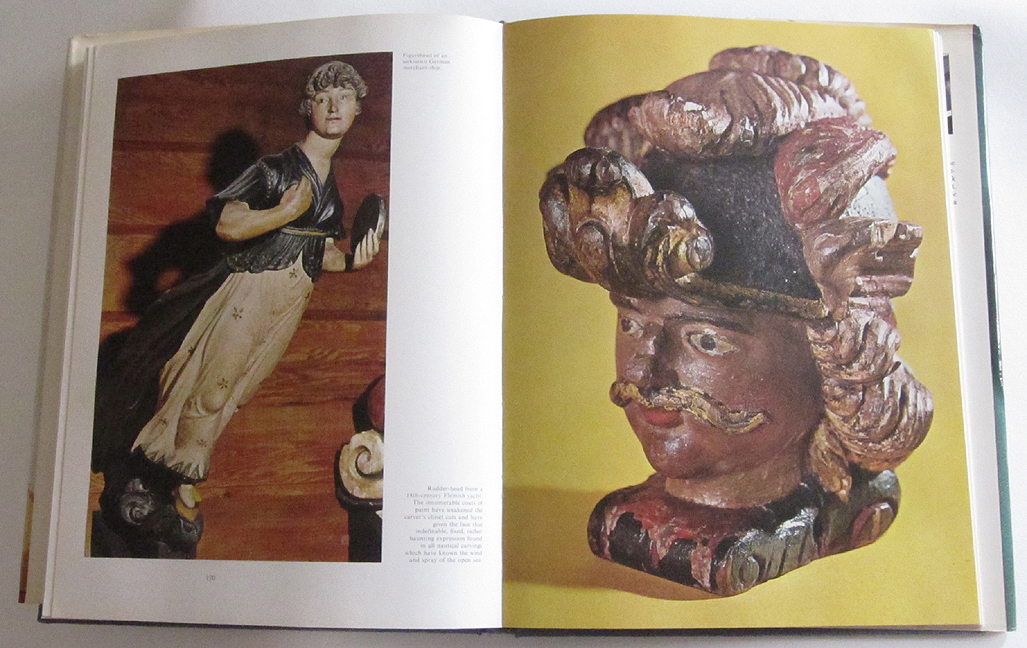
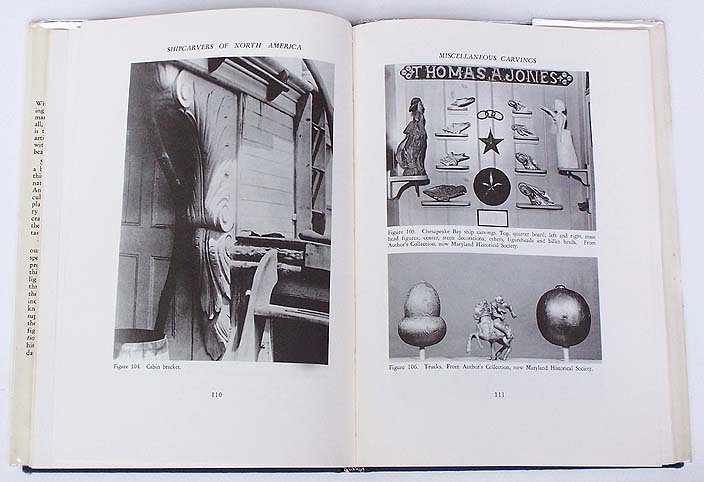
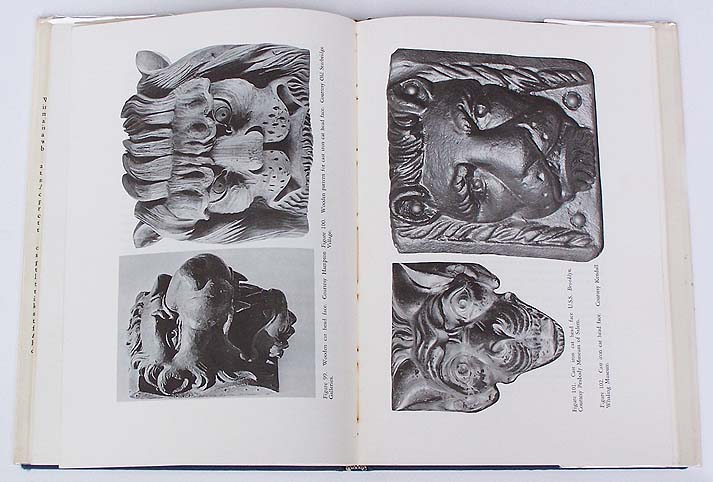
7.31 SHIP CARVING REFERENCE BOOK.
Long recognized as the most comprehensive and definitive book on
the topic of early American decorative ship carving, this
groundbreaking book was written by renown scholar and Curator of the
Peabody-Essex Museum, M. V. Brewington. Published by the Barre
Publishing Co., Barre, Massachusetts in 1962, it is hard cover with
164 pages exclusive of index with dust jacket and protective plastic
cover. The cover and frontispiece are adorned with the most splendid
carving of legendary American Indian maiden Pocahontus, attributed to
William Rush (ca. 1810). The contents are no less spectacular. Mr.
Brewington takes us through the history of ship carving in American
chronologically from the Colonial era, Independence, Frigates &
Packets, the Clipper ships, and finally the end of the art as it
dwindled in the early 20th century. This book is scholarly-written
and profusely illustrated with old photographs, original carver
sketches, line drawings and photographs of extant examples of the
marine carver's art. Ex-libris. Slightly soiled dust jacket and end
papers. Content fine.
95
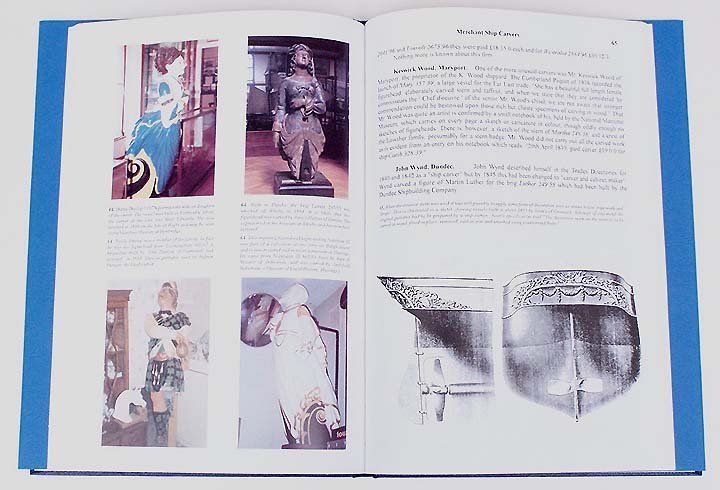
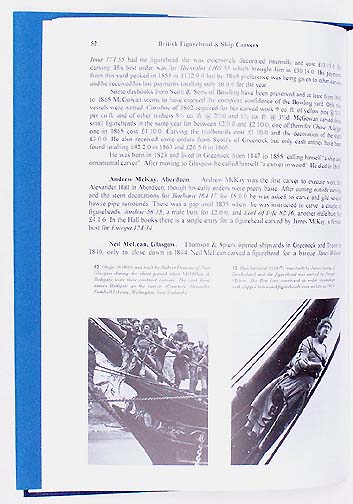
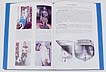
7.22 REFERENCE BOOK. Philip N.
Thomas, "British Figureheads & Shipcarvers," 1995, Waine Research
Publications, Wolverhampton, England. 115 pages inclusive of
informative indices, hard cover with dust jacket. The author divides
the topic of ship carving into two groups: Merchant ship carvings and
their carvers, and Naval figureheads and their carvers. This
distinction is real and the author explains why in informative text
with numerous black and white photographs, color photographs and line
drawings. Each section contains an extensive biography of every known
carver. Countless figureheads are depicted, described and identified
with their vessels' names, when known. THE one and only comprehensive
book on the topic of British ship figureheads and the men who carved
them. Absolutely invaluable source material. New condition.
49
|

|
|
PLATE 1
|
PLATE 2
|
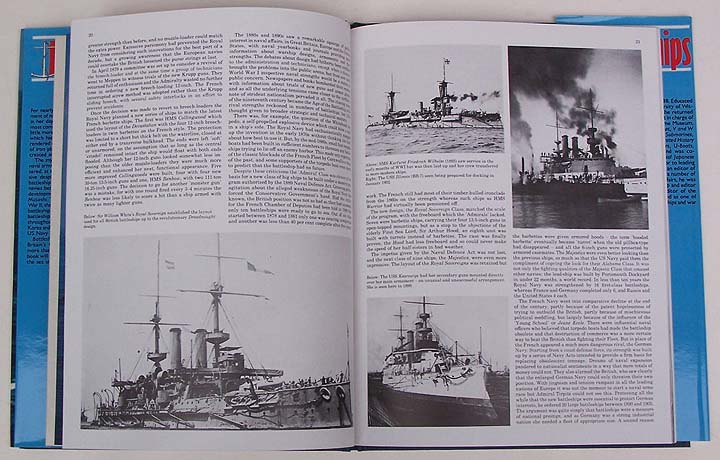
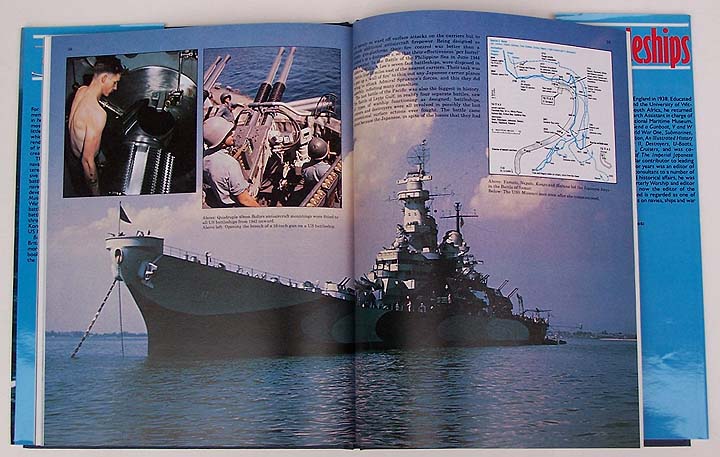
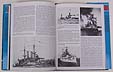
7.21 REFERENCE BOOK. Anthony Preston, "BATTLESHIPS," 1982,
Bison Books Limited, Greenwich, Connecticut, hard cover with dust
jacket, 63 pages exclusive of index. The beginnings of the battleship
can be traced back more than 5 centuries when it first became
feasible to mount heavy guns on board a ship. But the term
"battleship" was coined much later, in the mid-19th century, when
iron clad ships known as "floating batteries" were first introduced.
The fabled encounter between the USS MONITOR and the
MERRIMAC (CSS VIRIGNIA) captured the world's attention.
By the end of that century a new breed of fighting ships, the
dreadnought, was introduced and dominated the world's oceans for the
next 50 years. The focus of this well written book is on that period
between the the Great White Fleet era and the end of World War II. It
contains over 100 pictures in color and black and white. Anthony
Preston, was widely recognized as the world's leading authority on
navies, ships and war at sea. His narrative text is factual and
comprehensive, describing the major naval engagements enhanced by
period photographs. This 25 year old book is as
new! 49
|

|
|
PLATE 1
|
PLATE 2
|
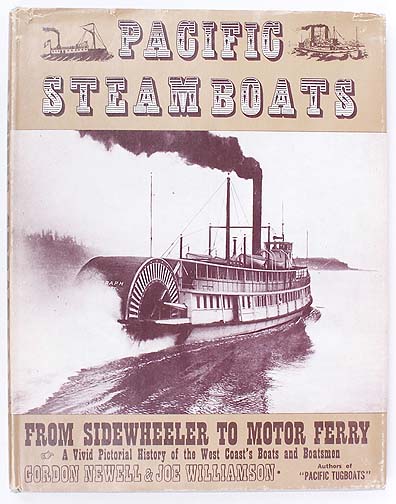
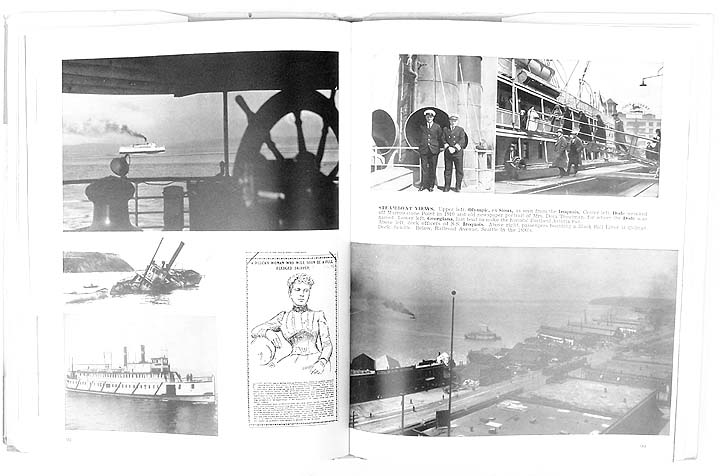
7.18 REFERENCE BOOK. Gordon Newell
and Joe Williamson, "Pacific Steamboats, A Vivid Pictorial History of
the West Coast's Boats and Boatmen," 1968, Superior Publishing Co. A
Division of Bonanza Books, New York. 198 pages exclusive of photo
index, hard cloth cover with dust jacket. This collaborative effort
between ship historian Newell and marine photographer Williamson
coalesces to bring the reader a comprehensive photographic history of
virtually ever sidewheeler and steam ferry that ever plied the waters
of the West Coast! Profusely illustrated in black and white with
detailed captions, Newell's narrative writing style adds much to the
graphic depiction of these vessels and the men who manned them. The
photographic index is a very valuable research tool in it own right.
Excellent condition, dust jacket with slight wear only.
49

|
|
PLATE
|
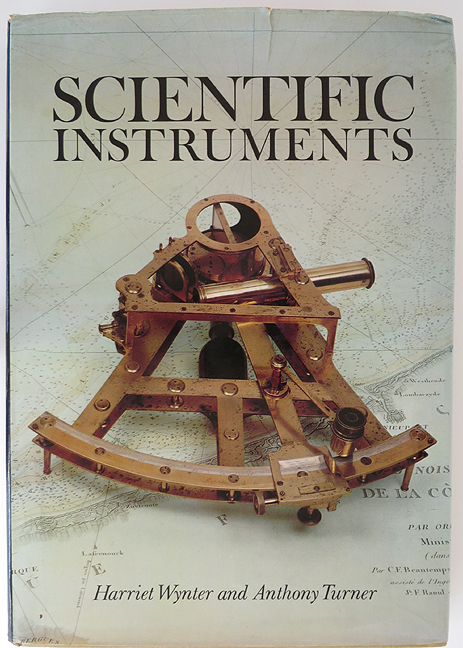
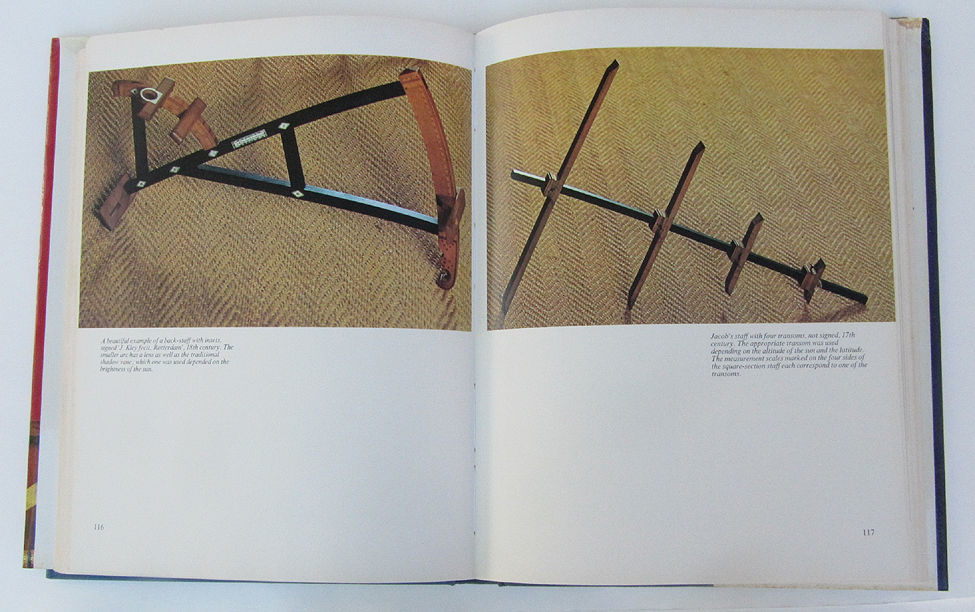
7.15 REFERENCE BOOK. E.G.R. Taylor,
"The Mathematical Practitioners of Hanoverian England 1714 -1840,"
1966, The Institute of Navigation, Cambridge University Press,
facsimile reprint with permission of the Institute of Navigation,
1989. 483 pages exclusive of index, hard bound cloth cover. In 1714
the British Parliament offered the sum of £20,000 to whomsoever
could find the longitude at sea. By 1840, the year of Queen
Victoria's wedding, the term "mathematical instrument maker" had
fallen into disuse, as the application of geometry crossed over into
every facet of science from time keeping , surveying, architecture,
gunnery and navigation. The author begins with a narrative history of
the era in the first 100 pages. Thereafter the entire book is
dedicated to the biographies of all known makers, serially numbered,
grouped alphabetically within a series of dated periods. Each entry
contains sources, types of instruments made, and locations of
existing examples. Without a doubt, this is the most comprehensive
reference book of its type. We have found it indispensable. As new.
69
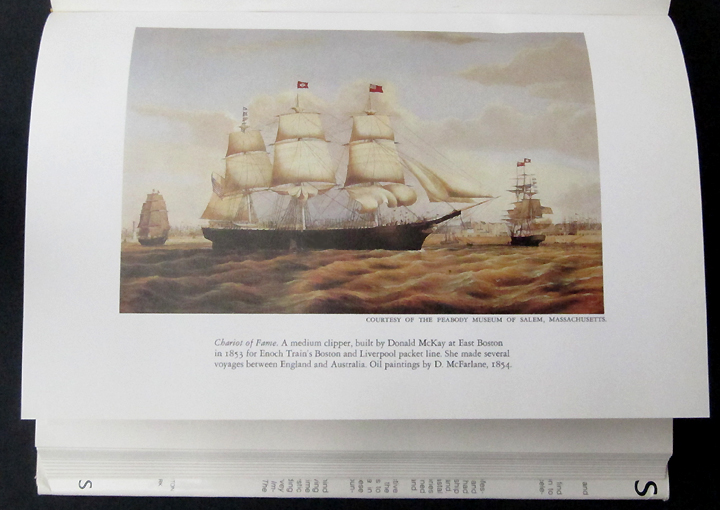
7.12 CLIPPERSHIP BOOK. Basil Lubbock,
"The China Clippers," 1919, reprinted 1957, Brown Son & Ferguson,
Ltd. Glasgow, 288 pages exclusive of index, hard cloth cover. This
famous book needs no introduction to those "in the know" on nautical
topics. It has long been recognized as the benchmark reference on the
topic of the 19th century clipper ships both in America and Britain.
Just a sampling its topics are: "The Baltimore Clippers, The Yankee
Clippers, The Boom in American Clipper Ship Building, The 'Flying
Cloud,' Rivalry of Great Britain and America in the Tea Trade, The
Builders and Designers of the Famous Tea Clippers, Sail Plans of the
Crack Clippers, Deck Plans, The Captains, The Owners, Chinese
Pirates, Best Passages, Sail Plan of the 'Cutty Sark'," etc., etc.
Well illustrated in black and white with several photographs of ship
paintings and fold-out plans. A remarkable and truly indispensable
reference. This is a rare opportunity to acquire a nearly pristine
copy of this very scarce book!
195

|

|
|
PLATE
|
PLATE 2
|
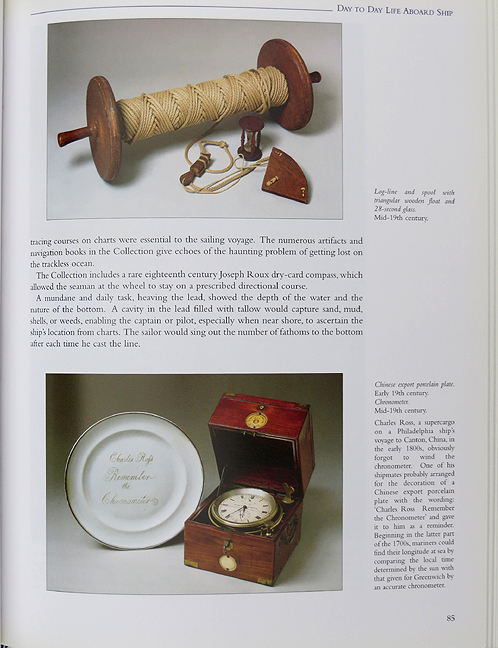
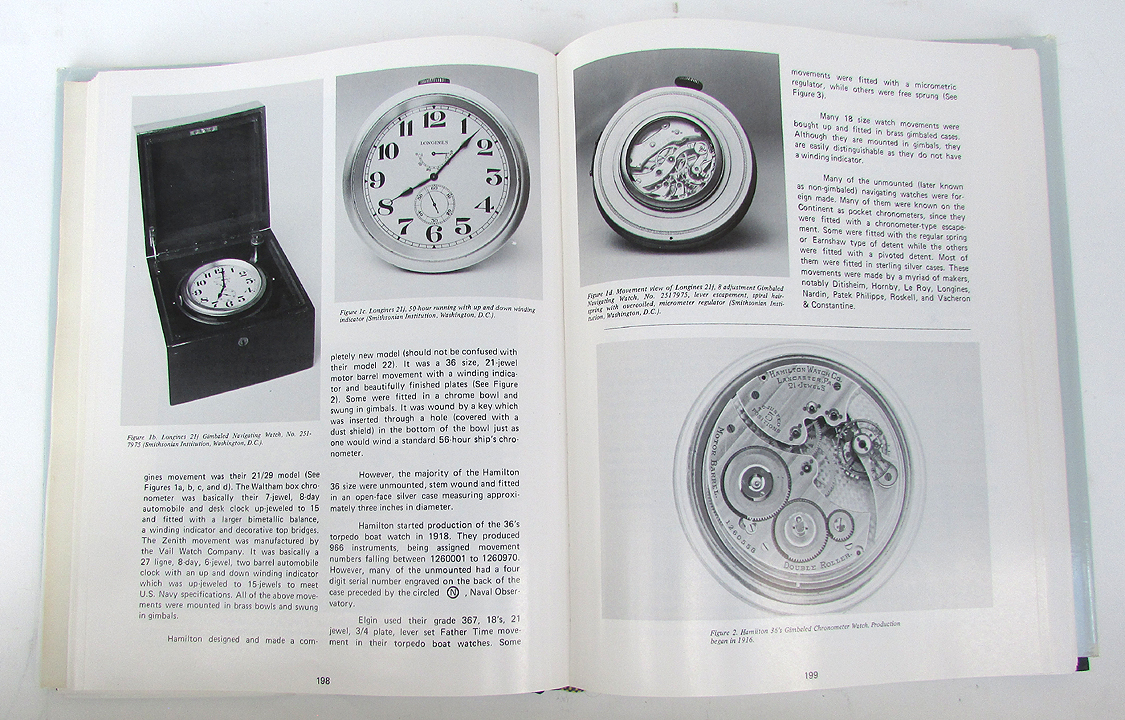
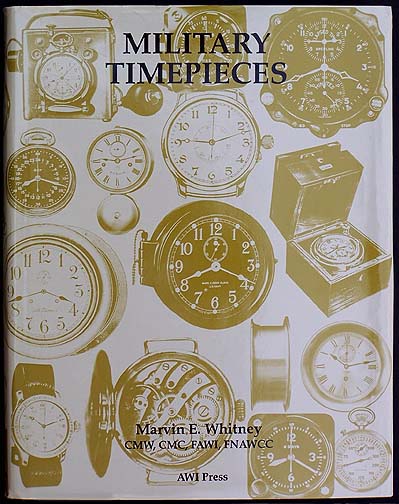
7.11 REFERENCE BOOK. Marvin E.
Whitney, "Military Timepieces," 1992, American Watchmakers Institute
Press, Cincinnati, Ohio, 637 pages exclusive of index and
bibliography, hard cover with dust jacket. To those in the know this
important book needs no introduction. It is widely regarded as THE
bible of military clocks, watches and chronometers, being a
comprehensive study on both the technological and historical aspects
of such time keeping, with emphasis on those time pieces (foreign and
domestic) that were used by all branches of the American armed
forces. During his lifetime Mr. Whitney was revered as America's
foremost expert on the topic. Unavailable today, this book is is
rarely found, even in used condition. This copy is mint, as
originally sealed at the printer's! We are pleased to be able to
offer it to our valued clientele.
199
This very highly sought after reference book
is long out-of-print and NOT available through Amazon at this
price.
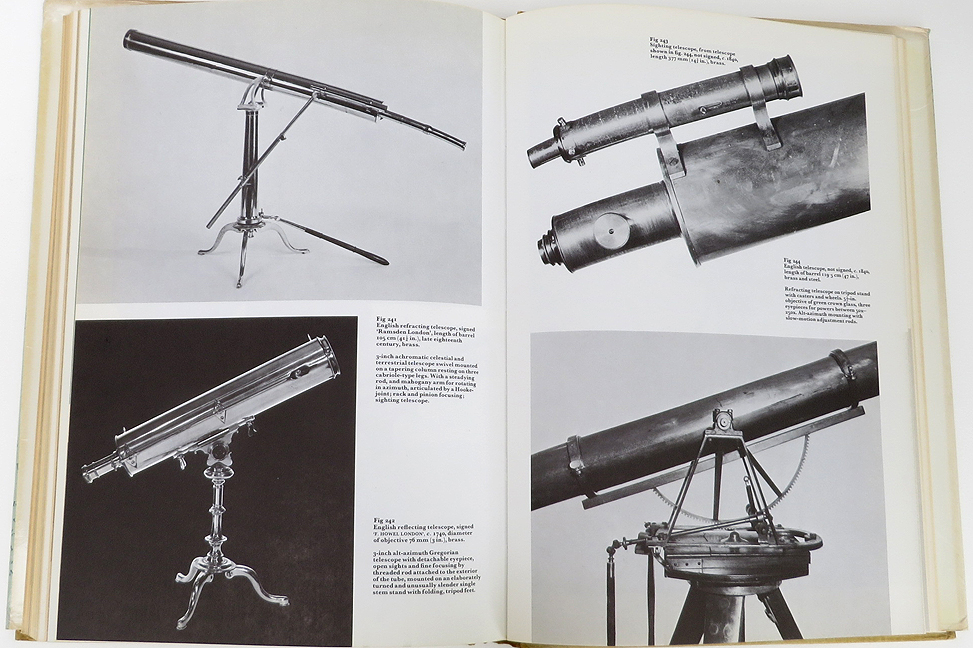
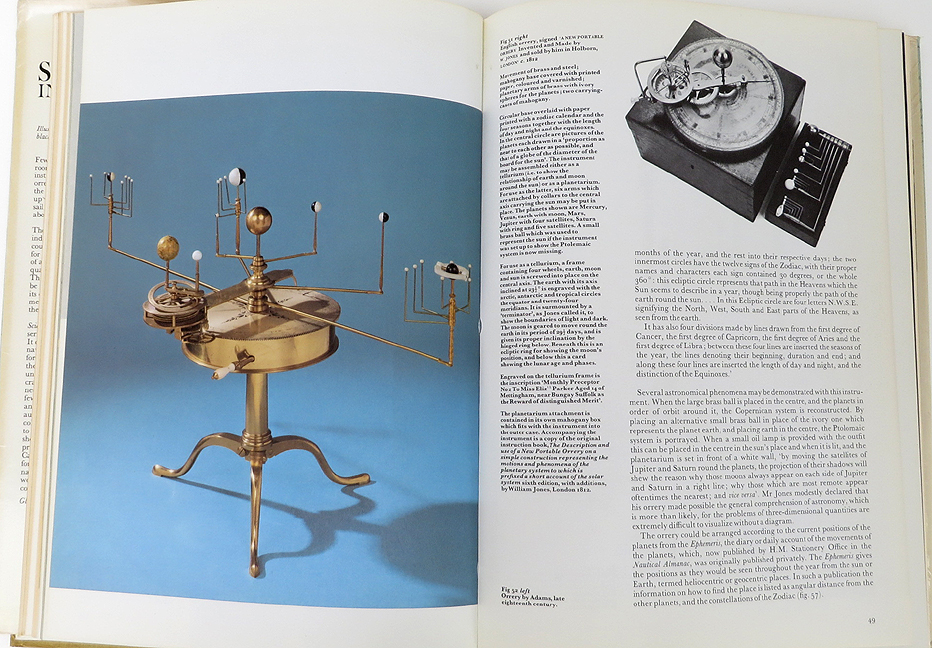
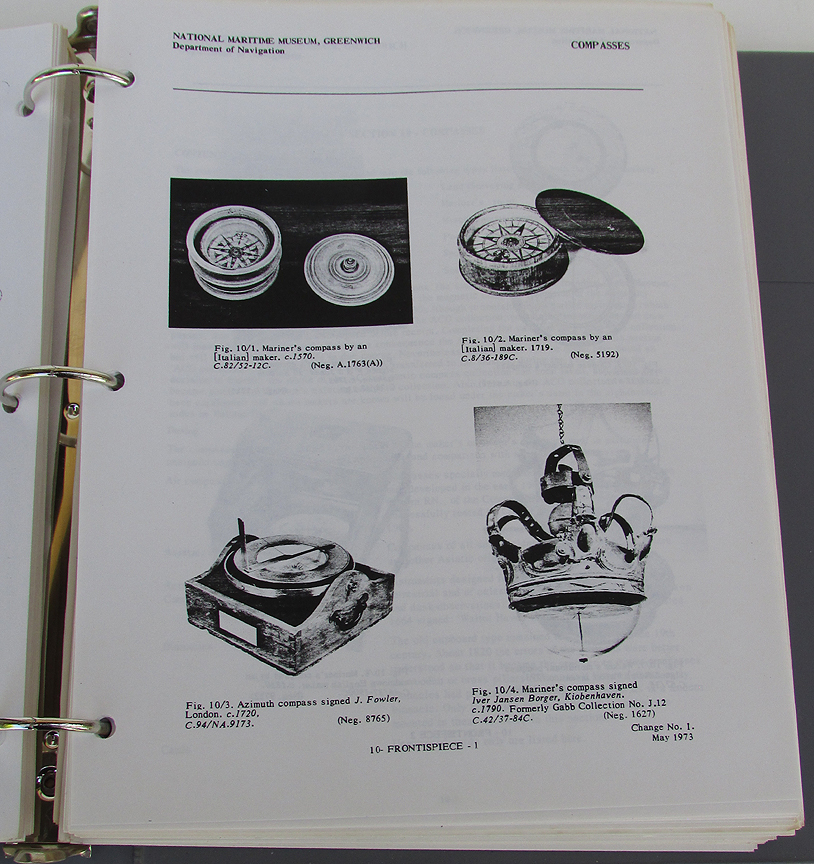
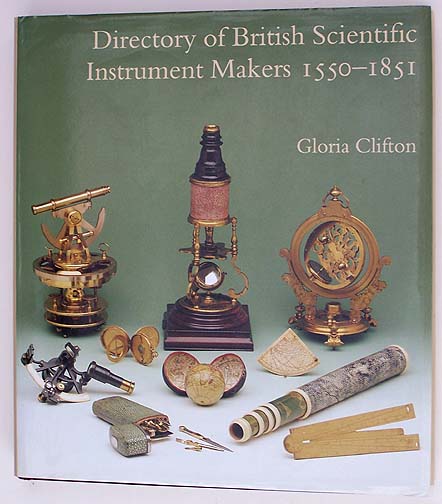
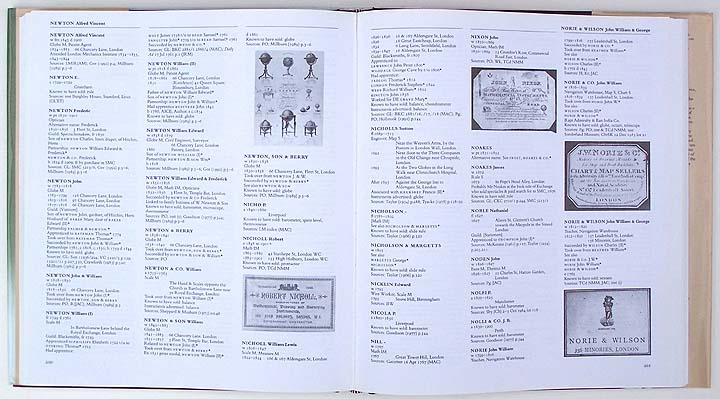
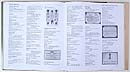
7.10 REFERENCE BOOK. Gloria Clifton,
"Dictionary of British Scientific Instrument Makers 1550-1851," 1995,
Philip Wilson Publishers Ltd, London, 331 pages inclusive of index,
hardcover with dust jacket. Without a doubt this is the most useful
reference book in our library. We turn to it time and again, using it
virtually every week for this presentation. Within these pages Ms.
Clifton, a curator at the prestigious National Maritime Museum
Greenwich, in conjunction with world renown scientific instrument
authority Gerard L'E Turner, has compiled the most comprehensive
listing of makers to date. Each entry includes the maker's dates,
family ties, addresses, type manufacture, associations and
references. Many are even accompanied by photographs of their trade
labels. Indispensable! New.
195
|
|
PLATE
|
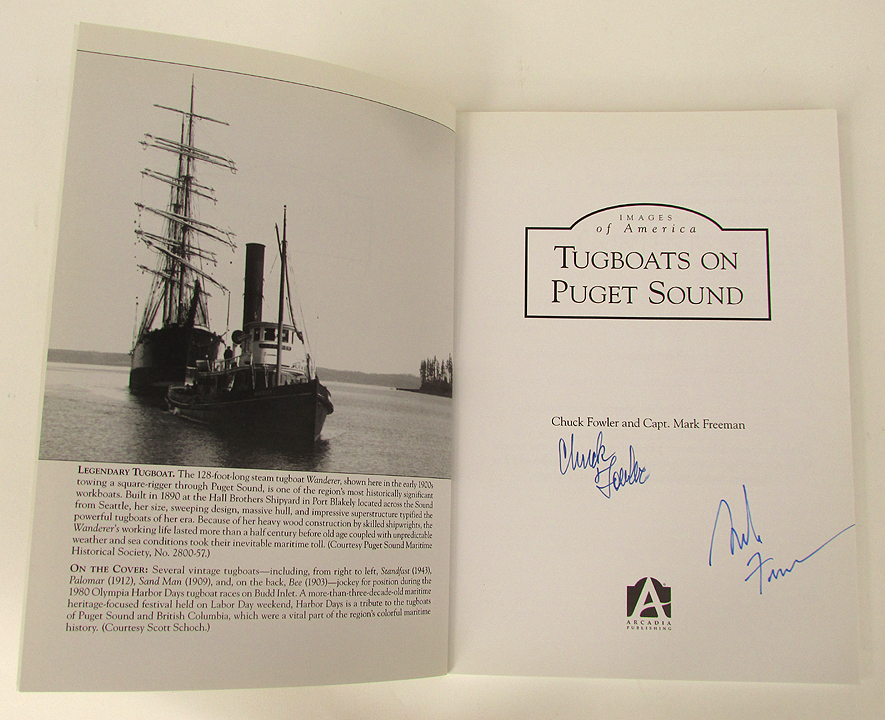
7.97 CAPTAIN'S PRESENTATION BOOK.
Richard C. McKay, "Some Famous Sailing Ships and Their Builder
Donald McKay," 1931, G.P. Putnam's Sons, New York and London, 376
pages exclusive of index, blue cloth hard cover with gold embossed
title, dust jacket. It was Bostonian Donald McKay who designed and
built the fastest, staunchest and most beautiful vessels ever
propelled by sail. Most of America's 19th century maritime glory was
due to his genius. Written by his grandson, this book is a study of
those wonderful packets and clippers with a full a biography on their
famous builder. It also contains a complete listing of all the
ships constructed by McKay, in Appendix I and their record passages
in Appendix II. 10 color plates and 48 black and white illustrations.
The book itself is in outstanding, unflawed condition. The dust
jacket shows some wear.
119
Of special note is the hand penned
inscription on the overleaf, "Isaac Perington, Capt. Louis Van
Bogaert 12/24/50." Captain Bogaert was the best known ferry boat
skipper in and around the Seattle, Puget Sound area during the early
1900's. He was commodore of the Black Ball Line and senior master of
the Washington State Ferries. Upon his retirement on September 13,
1957 Captain Bogaert was given a farewell party by the Puget Sound
Maritime Historical Society, which issued souvenir tickets to
passengers aboard his last command, the fast excursion steamer
CHIPPEWA. Captain Bogaert is extensively referred to in Newell
& Williamson's book, "Pacific Steamboats" and is pictured on page
195.
Ex: Old Corner Book Store, Boston,
Mass.
7.96 WHALING BOOK. Frank T. Bullen,
"The Cruise of the Cachalot - Round the World After Sperm Whales,"
1926, Dodd, Mead, New York, 301 pages, hard bound, cloth cover. This
is one of the best books ever written from a crewman's perspective
about life aboard a 19th century Yankee whaler. It gives authentic
insight into what it was like to leave port and not return for over 3
years in pursuit of the whale in the North Atlantic to Cape Horn, the
Arctic to the Antarctic and the South Pacific to the Indian Ocean.
Good sound condition, noting slight wear. Beautifully illustrated
with color plates. Truly fascinating, indeed unbelievable reading!
89
Ex collection of Lakeside School, Seattle,
alma mater of Bill Gates.

|

|
TITLE
PAGE
|
PLATE
|
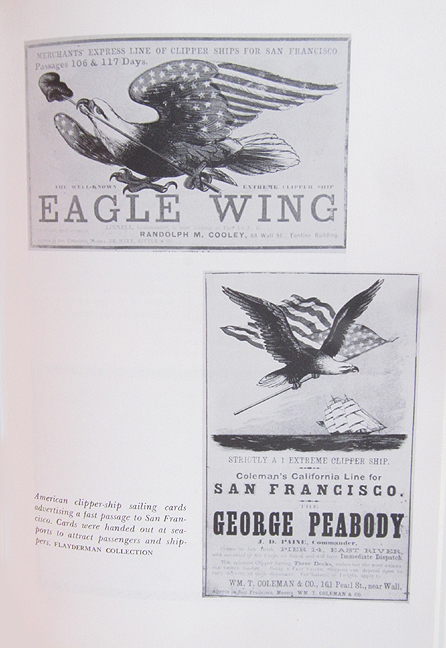
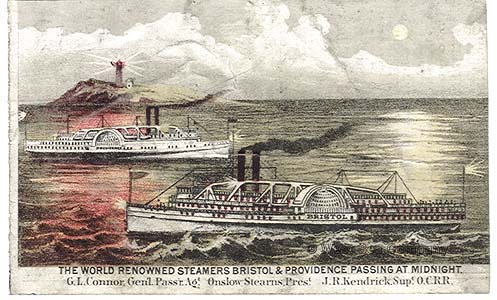
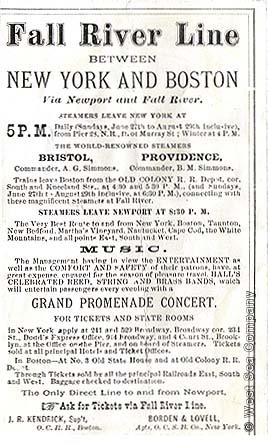
7.89 TRADE CARD. Rare 4th quarter of
the 19th century American trade card advertising "THE WORLD RENOWNED
STEAMERS BRISTOL & PROVIDENCE PASSING AT MIDNIGHT" as titled
below a lovely chromolithographed broadside of the ships with a
lighthouse in the distance. The reverse of the card touts the Fall
River Line between New York and Boston noting "The very best Route to
and from New York, Boston, Taunton, New Bedford, Martha's Vineyard,
Nantucket, Cape Cod, the White Mountains, and all points East, South
and West. MUSIC. GRAND PROMENADE CONCERT." with additional
information. 3 1/4 by 5 3 1/4 inches. Excellent condition with strong
imagery and color, noting two edges have been trimmed slightly. Circa
1880. 150
The 373 foot steam side wheel passenger ship
BRISTOL was built in New York in 1866 and was originally
operated by the Narragansett Steam Ship Company. Her sister ship
PROVIDENCE of equal size was launched in New York the same
year and first operated under the ownership of the Old Colony Steam
Boat Company.

|
|
REVERSE
|
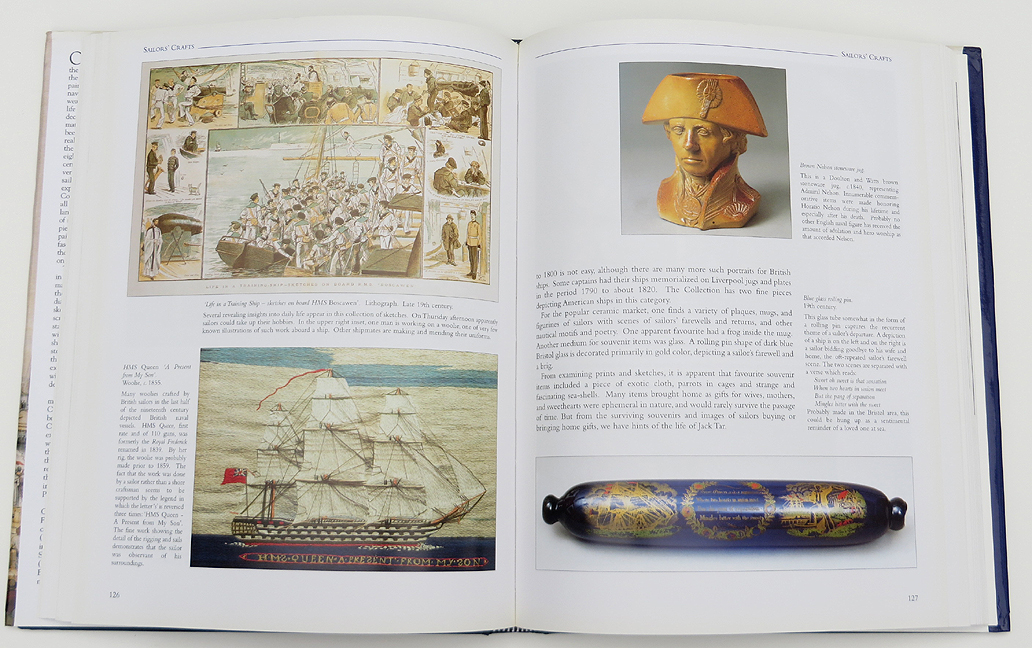
7.81 REFERENCE BOOK. Hans Jurgen
Hansen, "Art and the Seafarer," 1966 The Viking Press, New York, 288
pages, hard cover with dust jacket, exclusive of key to illustrations
and bibliography. Here is one of the "big two" of the early reference
books covering nautical art and antiques. Published in the same year
and in the same large format (10 by 12 1/2 inches) as its better
known counterpart "Decorative Arts of the Mariner," this very scarce
book represents a compilation of contributions from a number of world
renown experts. Topics explored include Ship Architecture, Ship
Models, Wood Carvings on Ships, Ship Portraiture, Glass paintings of
Ships, and Seamen's Crafts. An additional Chapter entitled "Maritime
Objects d'Art and Antiques, Collector's Pieces and Their Value" gives
insight into the "How To" of nautical collecting. This book is
scholarly written with cross-referenced text magnificently
complimented by a rich array of photographs, many in color. Condition
is very good. The dust jacket does exhibit slight foxing to the top
left front and some minor losses and tears. The cover is worn at the
tips of the bottom two corners. These in no way affect the content.
All pages are excellent. This is a rare and valuable nautical
reference that we are very pleased to be able to offer.
99
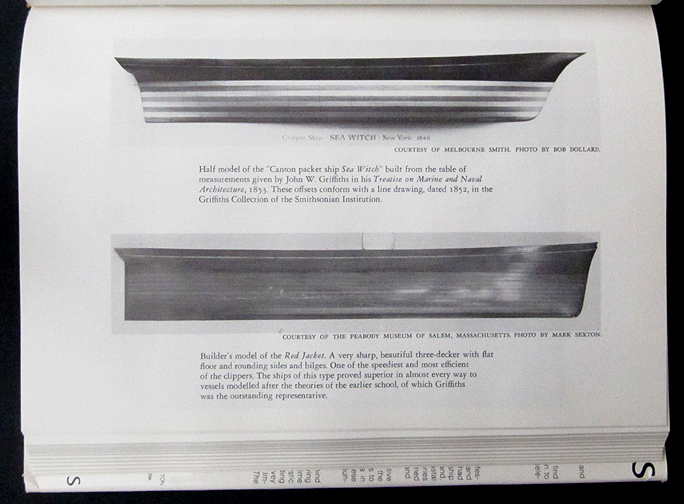
7.53 REFERENCE BOOK. Howard Chapelle,
"The History of the American Sailing Navy," 1949 Bonanza Books, New
York. 529 pages exclusive of index, hard bound with dust jacket. Here
is an exceptional book written by one of the foremost authorities and
writers on sailing ships, Howard Chapelle. This exhaustive
presentation is copiously illustrated with hull plans, half tones of
some of the ships represented, and with many naval architect line
drawings -- over 200 images in all! Chapelle starts with the Colonial
Navy in the late 1600's and works chronologically through the Civil
War and the end of the age of sail, with an easy to read, fact filled
narrative style. Included is an extremely informative Appendix which
contains specific measurements and detailed descriptions of several
named commissioned sailing vessels in the United States Navy,
including plans and drawings. This is a magnificent, must have
reference book for the informed American nautical collector or
student of the history of the American Navy. Mint condition.
79

|
|
PLATES
|
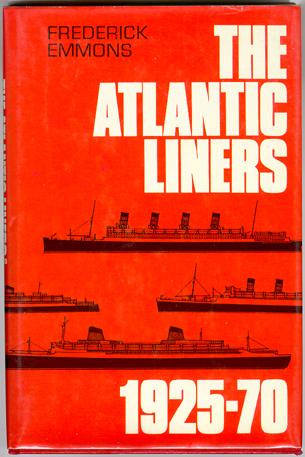
7.47 REFERENCE BOOK. Frederick
Emmons, "The Atlantic Liners," 1977, Bonanza Book, New York. 160
pages including an Index of Ships. This hardcover book with dust
jacket covers the major liners of the world that plied the Atlantic
from 1925 through 1970. It is organized by country, and then by
Steamship company, with a history of each company given. The
remainder of the book is dedicated to detailed information on the
ships themselves. Each entry provides a line drawn profile view along
with a paragraph on the ship's characteristics, service history, and
ultimate fate. An invaluable research tool!
39
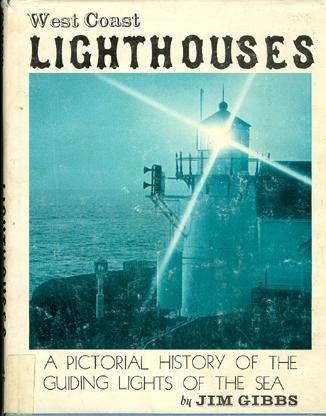
7.27 LIGHTHOUSE REFERENCE BOOK. Jim Gibbs, "West Coast
Lighthouses," 1974, Superior Publishing Company, Seattle, 1st Ed.,
204 pages exclusive of photo index, hard cover with dust jacket. With
typical thoroughness, maritime historian Jim Gibbs documents every
known Pacific Coast lighthouse between the Mexican and Canadian
borders. Each lighthouse is described and a short history of each is
included in Mr. Gibbs' pleasing narrative style. This book is replete
with exceptional period photographs and diagrams. A must have book
for the lighthouse aficionado. Good, used condition.
79
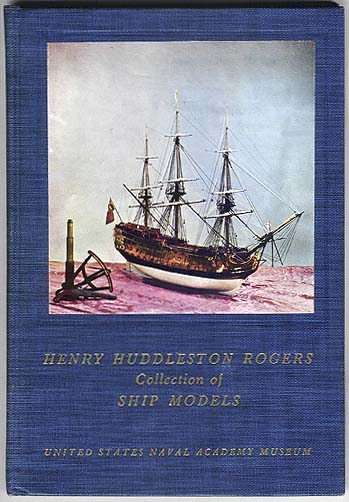
7.9 REFERENCE BOOK. "Catalog of the
Henry Huddleston Rogers Collection of Ship Models," 1954, U.S. Naval
Institute, Annapolis, MD. This is the scarce, original first edition,
fully illustrated and described in a hard-bound record of 116 pages
cataloging the fabulous model collection now housed at the United
States Naval Academy Museum, widely recognized as one of, if not THE,
finest collections of ship models in the world. Simply Unbelievable!
Excellent condition, cloth cover.
69

|
|
PLATE
|
19.59 YACHT BOOK. A.B.C. Whipple,
"The Racing Yachts," 1980, Time-Life Books, Inc., Alexandria,
Virginia. 173 pages exclusive of index, hard cover. On October 1st,
1661 two Royal yachts, the CATHERINE with King Charles II
embarked, and the yacht ANNE with the King's brother the Duke
of York on board, sailed down the Thames. To spectators on shore, it
looked like a lavish floating party. But what they were actually
witnessing was the first yacht race in history! From there the book
chronicles the advent and advance of yacht racing through more than 3
centuries culminating in the "Whitbread Race" of open ocean yachts
around the world in 1973. This colorfully illustrated book covers the
most famous yacht races of them all, the America's Cup at length:
technological advances, the races themselves and the personalities of
the great yachtsmen who made the races happen. A wealth of
information which makes for fascinating reading.
79

|

|

|

|
|
PLATE 1
|
PLATE 2
|
PLATE 3
|
PLATE 4
|

© 1998-2014 West Sea Co. All
rights reserved.

 button to request the price.